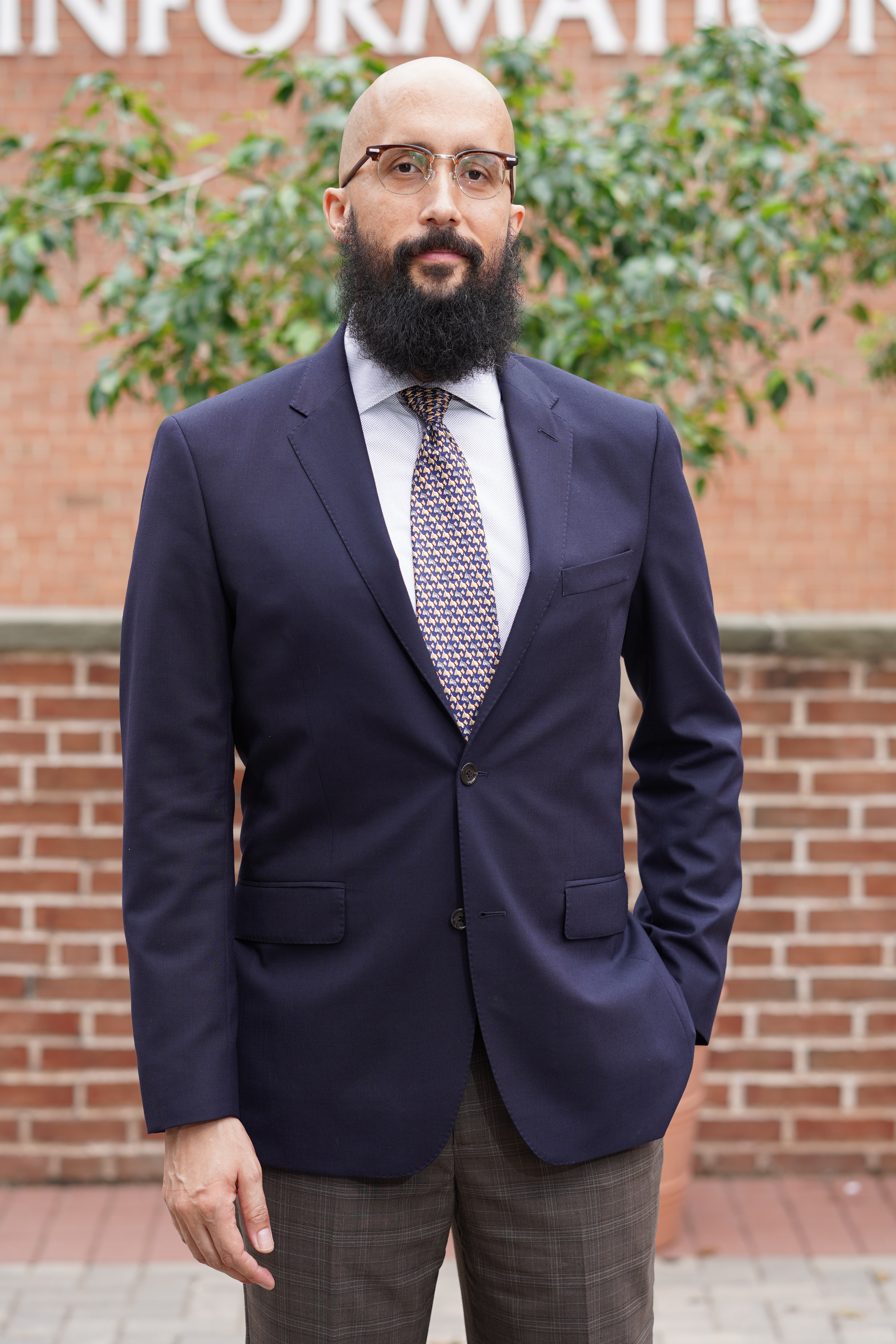
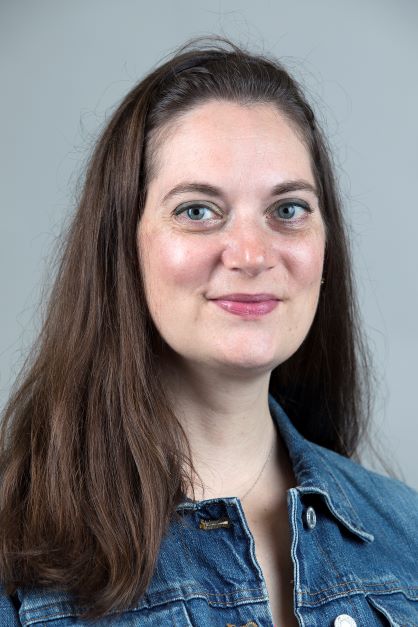
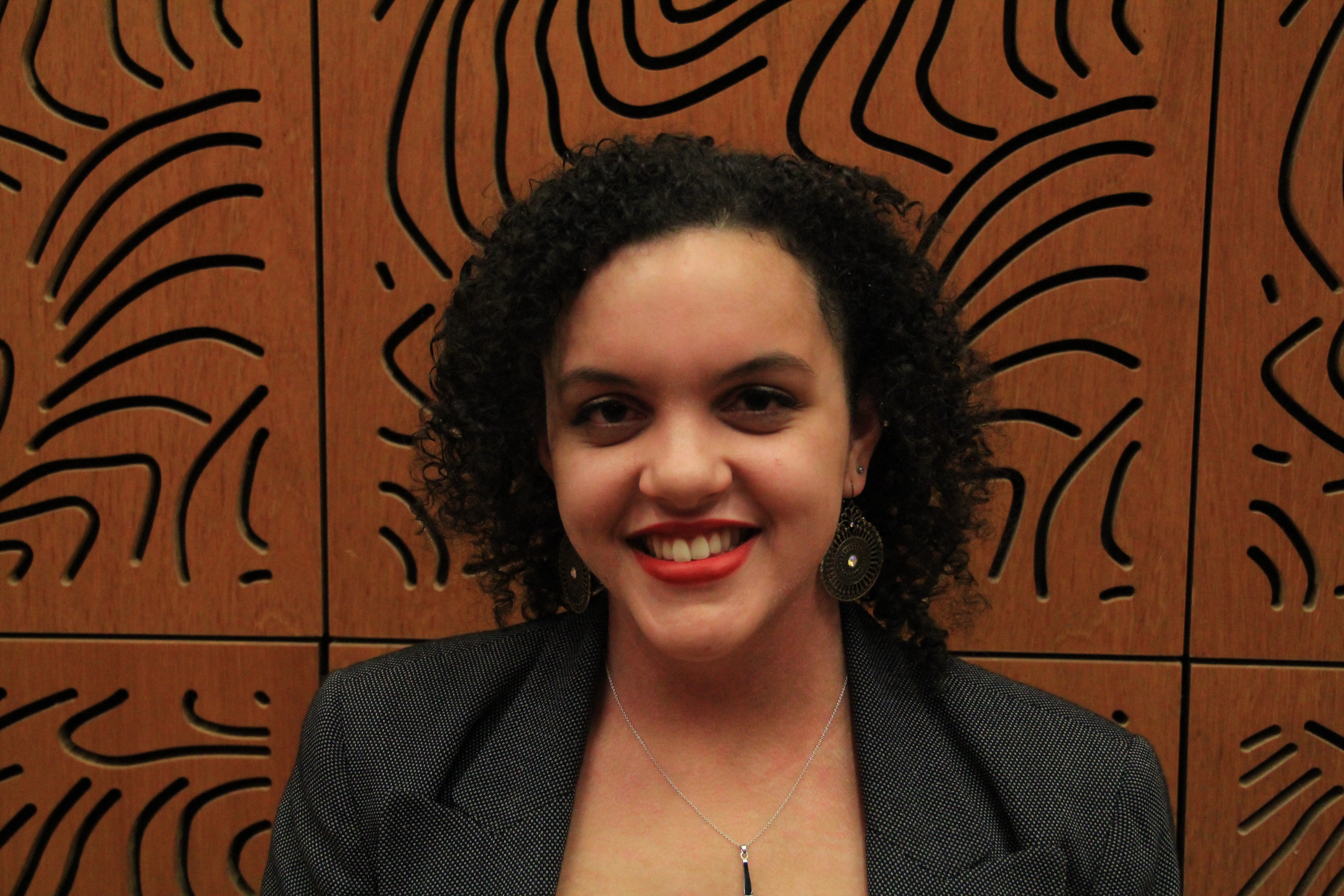
Chirag Shah
Assistant Professor
Library and Information Science
Contact Info
Office:
CIL-334
Phone:
848-932-8807
Fax:
732-932-6916
Email:
Education
PhD from School of Information & Library Science (SILS) at UNC Chapel Hill;
MS in Computer Science at UMass Amherst;
MTech in Computer Science at IIT Madras, India
Research

I'm interested in various aspects of information seeking/retrieval, both in personal and group context. Lately, I have been looking at information seeking that goes beyond individual, studied as collaborative information seeking, or social/community information seeking. During both my masters degrees in computer science, I worked on information retrieval and organization algorithmically. During my PhD in information science, I shifted the focus to interactive information retrieval, and user-centric system design. I try to keep a balance between studying systems and users, designing algorithms and theories, and building tools and conducting user studies. It's fun!

Publications and Presentations

Result Space Support for Personal and Group Information Seeking Over Time
With Gary Marchionini and Rob Capra at UNC, I was involved in writing an NSF grant proposal, which has been funded to develop techniques and systems that help people solve information problems that are complex, general, or ongoing and when information seeking takes place over multiple intervals or in collaboration with other people. The approach is to first study how people seek information and interpret results of searches as they use multiple systems over time and in collaboration with emphasis given to managing and optionally sharing result sets and items. Second, based on these initial investigations we will build systems that support dynamic search and visualization and can serve both as a personal information manager and a group information manager. Third, we will evaluate these tools in field and laboratory settings. The research is linked to educational theories of active learning and are embedded in university student and research team information needs over multiple months. The results of this research will provide guidance for designers of the next generation of systems that support a full range of information seeking needs. The project will also contribute specific open source tools that people can easily adopt as plug-ins to popular web browsing software. This work will thus have broad impact on Internet-based information activities in schools, homes, offices, and research laboratories.

Collaborative Information Seeking (CIS)
It is natural for humans to collaborate while dealing with complex problems. For my research I consider this process of collaboration in the context of information seeking. This research is driven by two dissatisfactions: (1) majority of IR systems today do not facilitate collaboration directly, and (2) the concept of collaboration itself is not well-understood. In the past I have worked with Diane Kelly and Robert Fu on the issues of fusing queries from different users to provide a "collaborative" searching. My work at FXPAL during summer 2007 involved looking at mediating the collaboration algorithmically. The work resulted from this won the best paper award at SIGIR 2008. I continued exploring user-centric CIS at UNC as a part of my dissertation.

Social Information Seeking
In today's Web 2.0 era, people are not only consuming the information, but also are producing it. People are seeking more meaningful and customized information than what is obtained by keywords-based queries and document retrieval through a search engine. With Dr. Jeffrey Pomerantz and fellow doctoral students Sanghee Oh and Jung Sun Oh at UNC, I have been studying the domain of Social Q&A. In particular, I have build crawlers to obtain a large amount of data (questions, answers, comments, user profiles) from Google Answers and Yahoo! Answers. With this data we have done some interesting analysis on how people seek information on such social sites and also contribute to other users' information seeking.

Context Mining for Digital Preservation
Digitizing any information has become inexpensive and accessible. Just like advancements in bio-sciences and eco-sciences have made it possible to save endangered species, digital revolution has made it possible to preserve valuable information of varying nature.

At UNC Chapel Hill, I was a member of Vidarch project that broadly addresses various issues related to preserving video collections. I have implemented a prototype system called ContextMiner that searches specialized databases based on various metadata fields and aids a curator in building a digital repository.